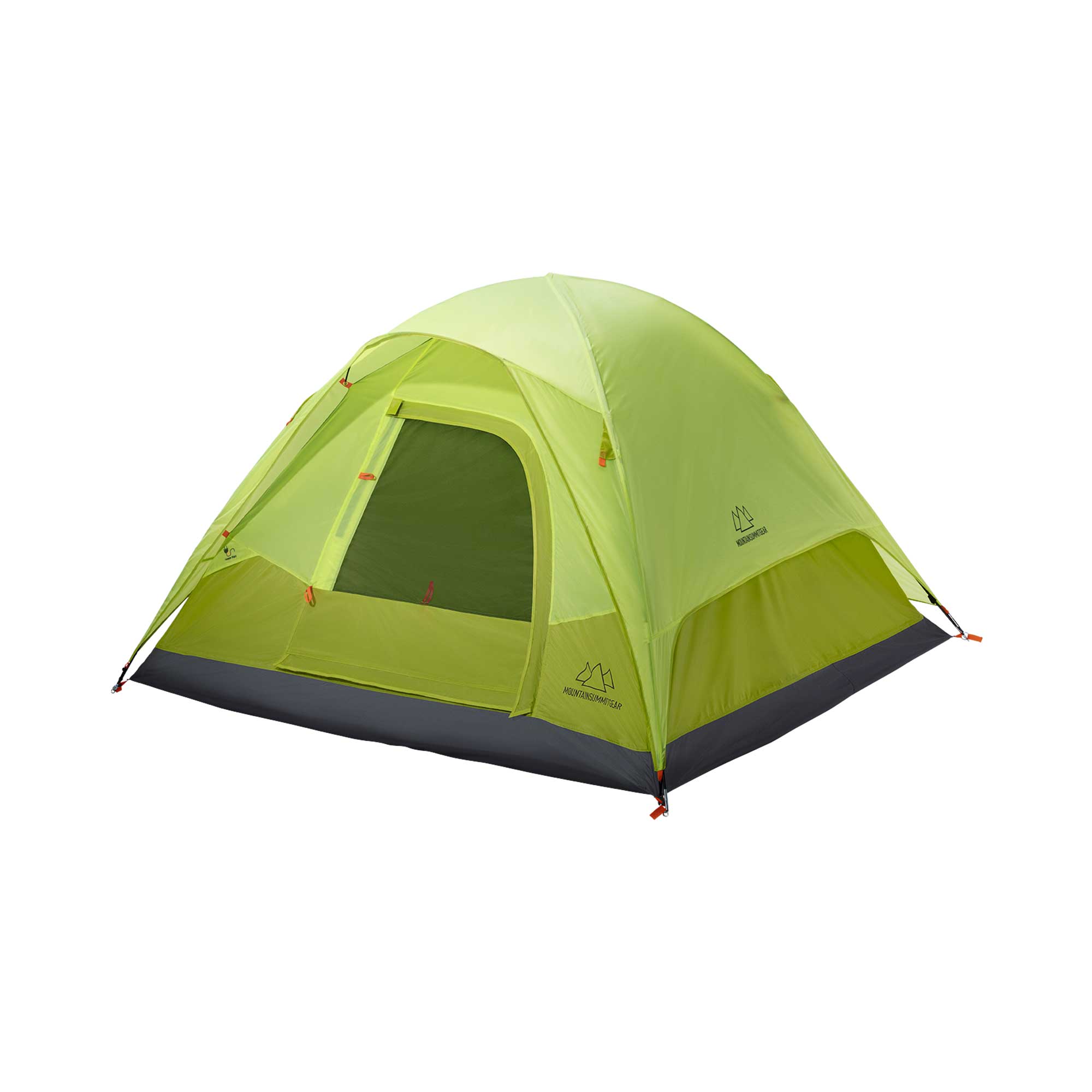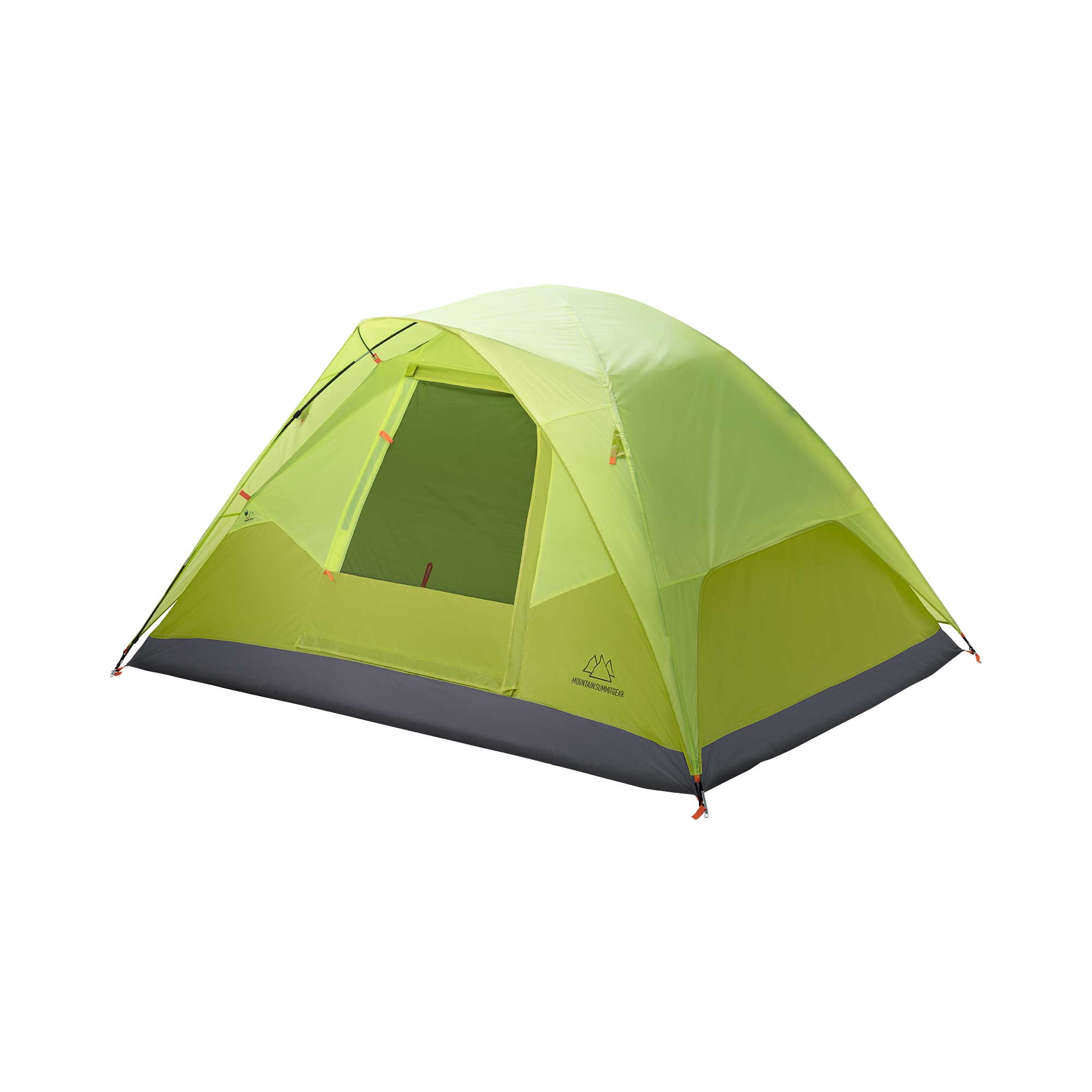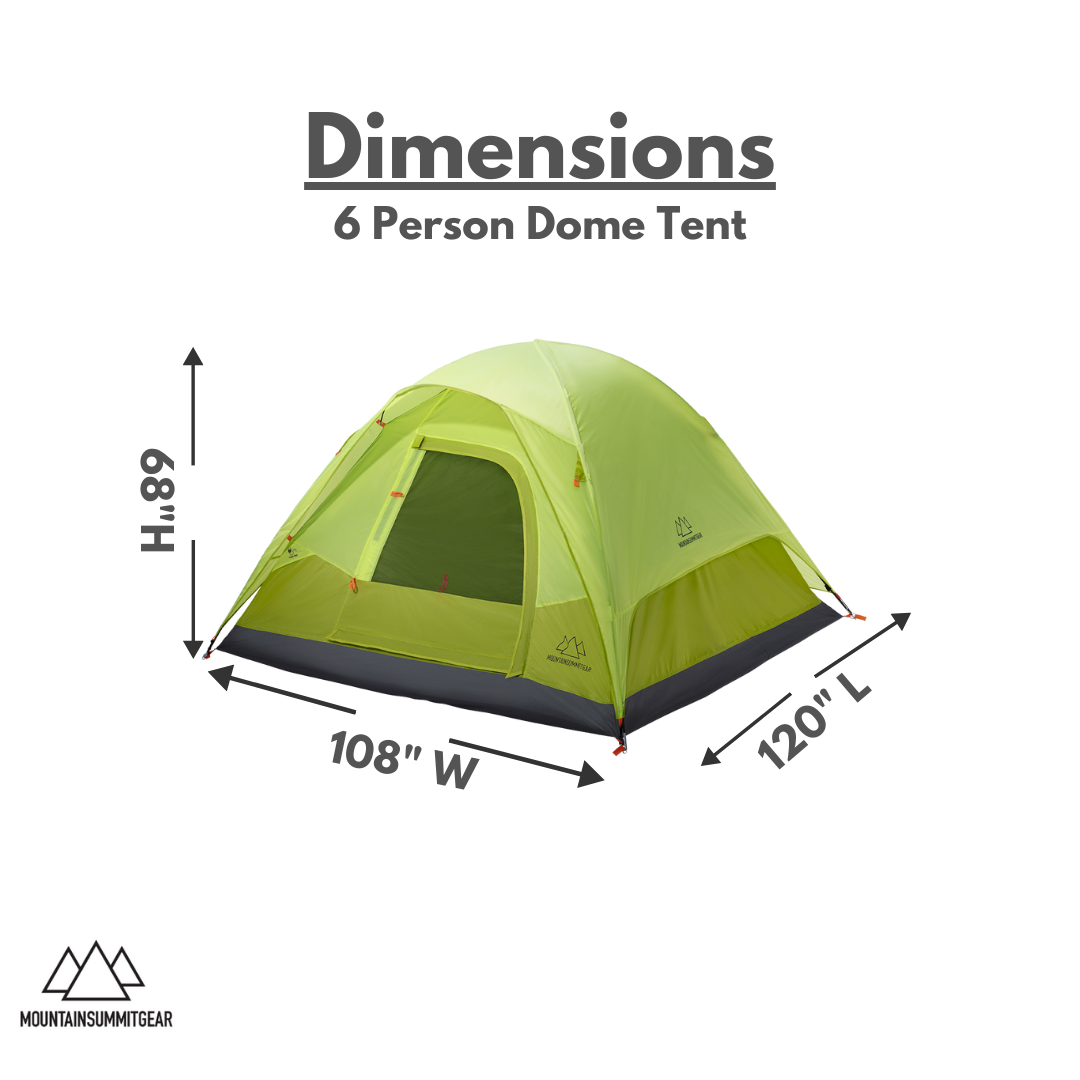
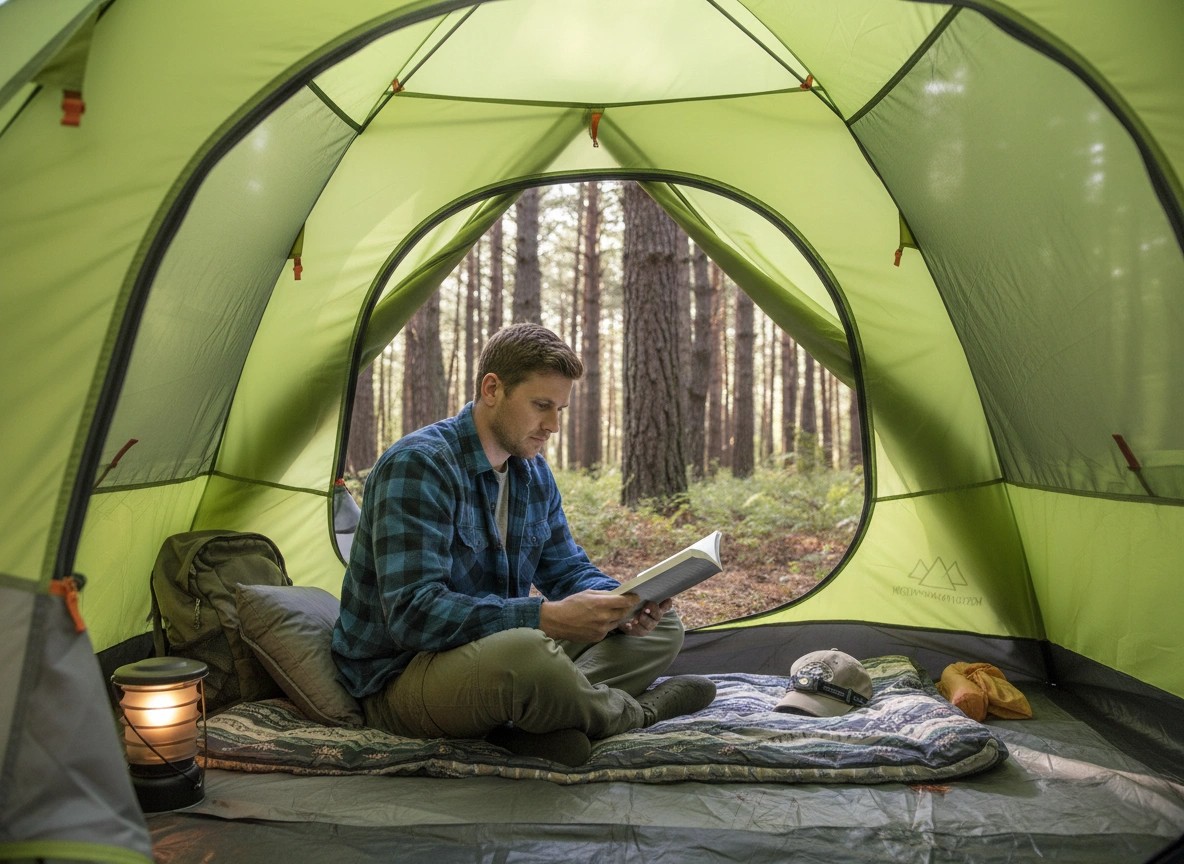
Pitching the tent deep in the forest always feels like drawing a gentle boundary between two worlds. The moment I zip it closed, the universe seems to divide: outside, the wind combs through the treetops and a distant stream murmurs over stones; inside, a pool of warm yellow light glows softly against the canvas, illuminating a sleeping pad, a thermos of tea, and a book waiting patiently to be opened. It is a small space, yet it holds an immense sense of shelter and calm.
I sit cross-legged, letting the stillness settle around me. My fingertips brush the textured pages, and the faint scent of paper mingles with pine and damp earth. Sunlight filters through the forest canopy, casting shifting patterns across the tent walls like living watercolor. The outside world does not disappear; it simply becomes a gentle background melody. A squirrel darts along a branch overhead, leaves rustle as if sharing secrets, and somewhere nearby, birds trade evening calls. These sounds do not distract me from reading—they deepen the experience, grounding each sentence in the present moment.
Without phone notifications buzzing or deadlines pressing at the edge of my thoughts, time loosens its grip. Minutes stretch comfortably. I no longer skim paragraphs or rush toward conclusions. Instead, I linger over phrases, reread lines that resonate, and allow the story to unfold at its own pace. The forest seems to approve of this unhurried rhythm. Here, nothing blooms overnight and no tree grows by force. Reading in such a place feels aligned with the natural order of things.
Some say camping is about getting close to nature—about sleeping under open skies and waking with the sun. While that is true, I believe reading in nature goes one step further. It is about finding a home for the soul. The book carries me across centuries, continents, and imagined worlds, yet the cool air brushing my cheeks and the steady whisper of the forest roots me firmly in the present. Words expand my mind, while the forest steadies my heart. In this intersection of imagination and earth, every sentence feels more vivid, every insight more personal.
There is something profoundly comforting about this balance. The tent, though simple, becomes a sanctuary—a fragile yet sufficient refuge against the vast wilderness. Within its thin walls, I feel both protected and connected. The outside world is not shut out; it breathes alongside me. As shadows lengthen and daylight softens into amber, the forest gradually quiets. The stream continues its patient song, and the air cools just enough to invite me deeper into my sleeping bag.
When I finally close the book, I notice the subtle transformation within myself. The restlessness I carried from daily life—the constant urge to check, respond, achieve—has dissolved without ceremony. In its place is a gentle fullness, a quiet sense of belonging. I am no longer divided between tasks and thoughts. I am simply present.
Camping, in its essence, does not require elaborate rituals or grand adventures to be meaningful. The most healing moments are often the simplest: the soft glow of a lantern, the steady turning of pages, the rhythmic breath of the forest just beyond a thin layer of fabric. All it truly takes is a tent, a book, and the willingness to slow down enough to let silence speak.
In that silence, I find not emptiness, but restoration. And when morning light eventually slips through the trees and nudges me awake, I carry that calm with me—proof that sometimes the smallest shelters hold the greatest peace.
Blog